

Organic Farming Practices
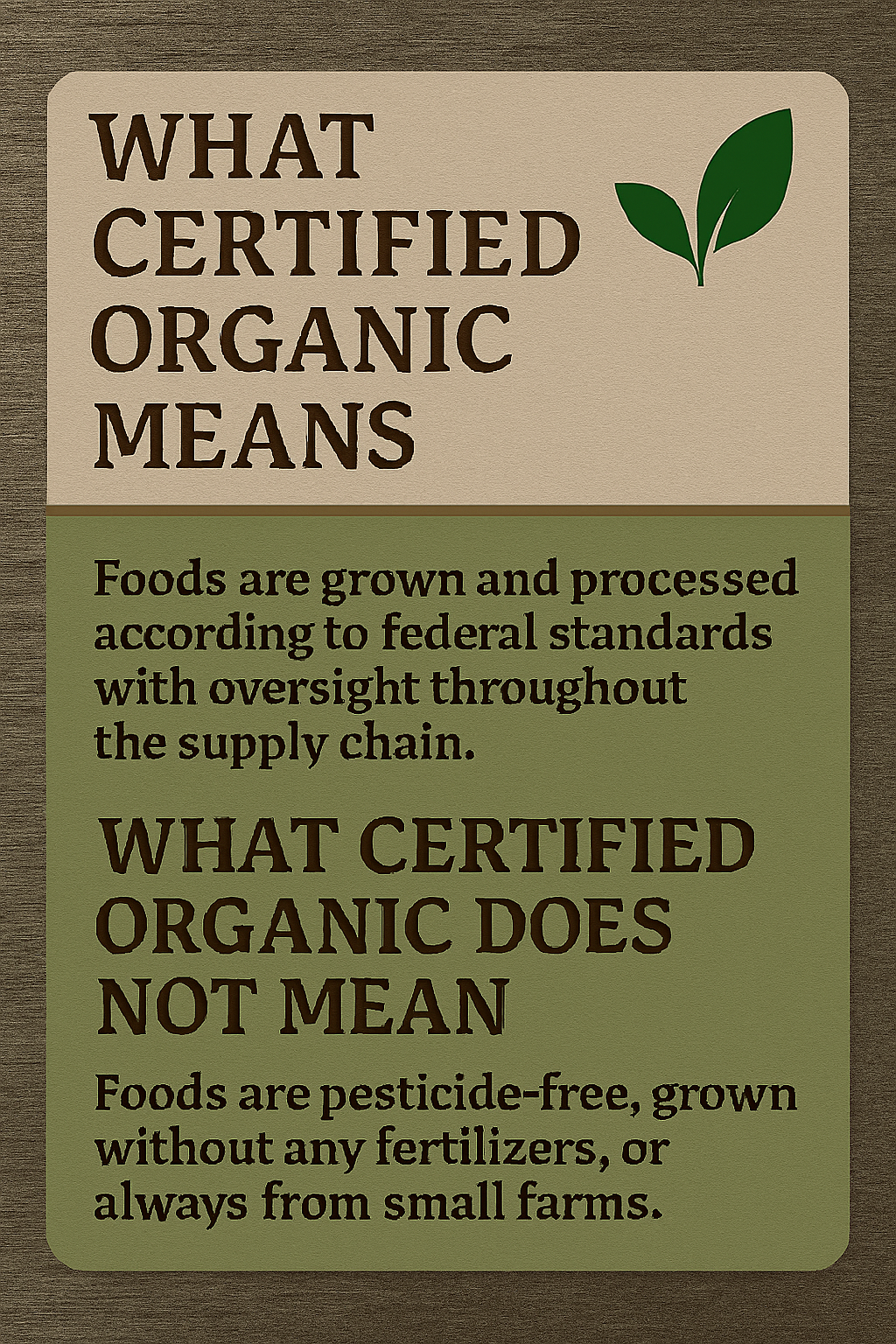
What “Certified Organic” Actually Means
Certified organic is a status granted to farms, processors, and handlers that follow a strict set of rules designed to protect soil health, biodiversity, and ecological balance. These rules govern how crops are grown, how animals are raised, and how products are processed, stored, and transported.
Certified under the USDA National Organic Program
No synthetic herbicides, pesticides, or fertilizers (unless allowed by USDA)
No GMOs
Annual third-party inspections
Detailed record keeping from seed to harvest
What “Certified Organic” Does Not Mean
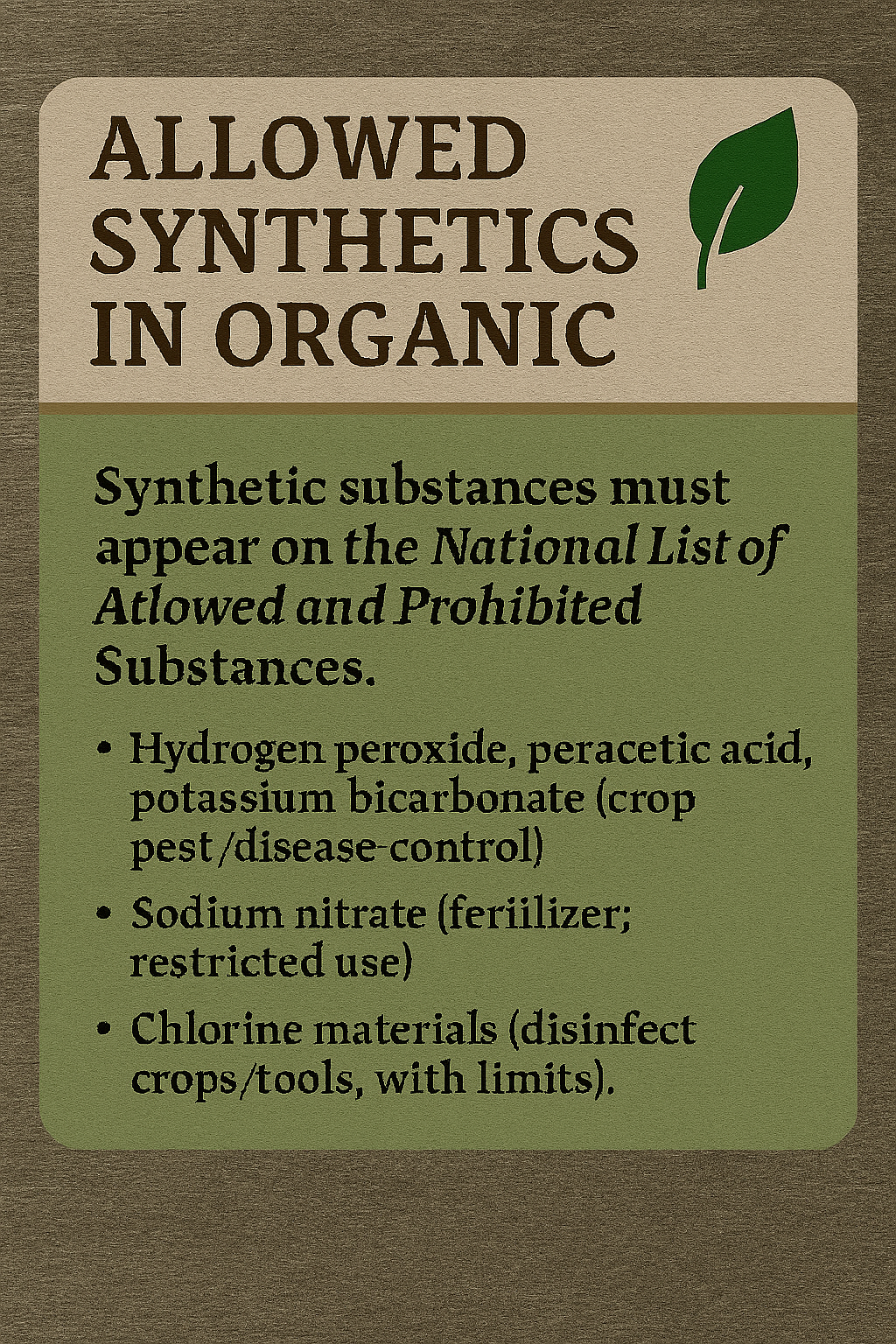
A common misconception is that organic means “free of all chemicals.” In reality, organic farmers may use certain natural substances and a limited number of approved chemicals that are allowed under specific conditions. The key is that they must appear on the National List of Allowed and Prohibited Substances and be used within strict guidelines and verified by a third party.
Want more information on becoming an organic farmer? Click the links below:
How We Manage Weeds Without Synthetic Chemicals Like Glyphosate
Diverse crop rotations
Cover cropping
Soil-building practices as well as soil microbiome health building
Timely planting and field monitoring
Managed field borders and buffer zones
Organic matter building
Why This Matters
Long-term land stewardship
Food integrity
Flavor & Freshness
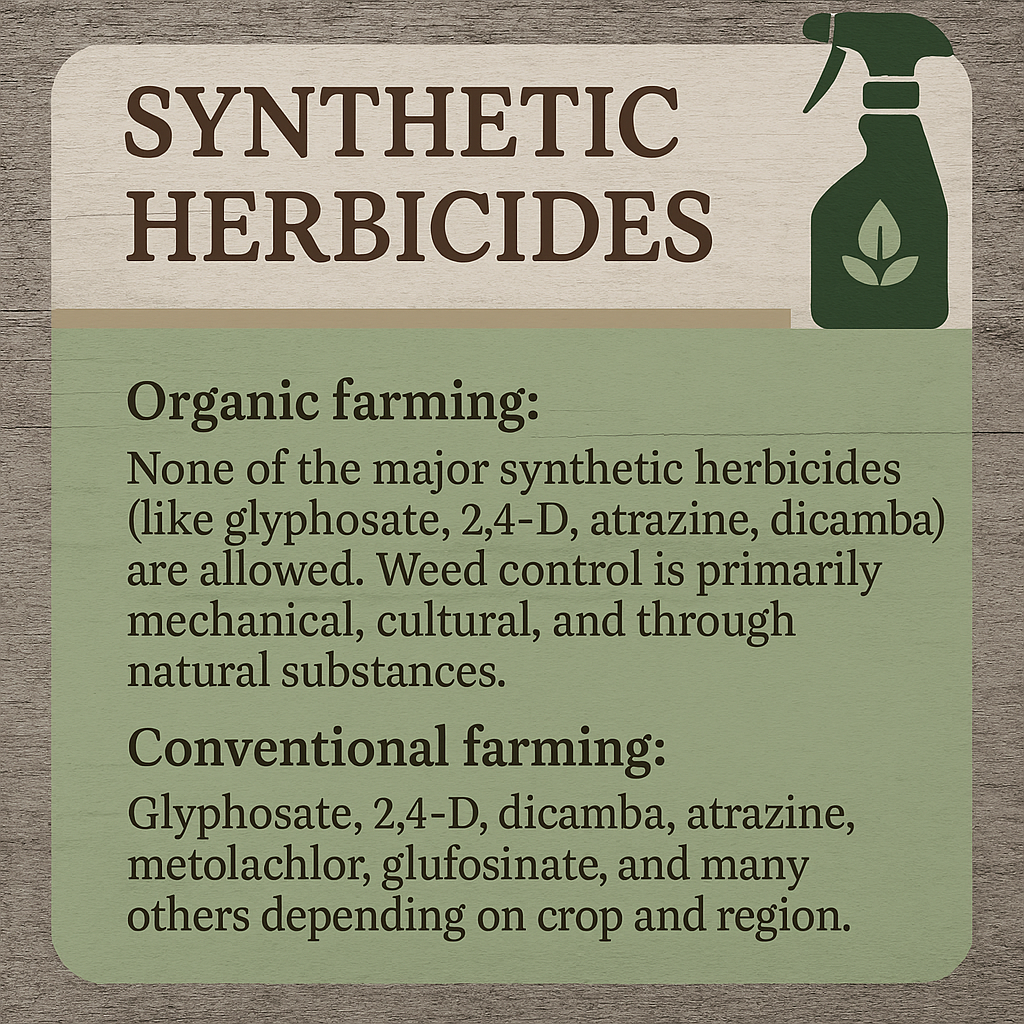
Synthetic’s Allowed in Organic Farming vs. Conventional Farming
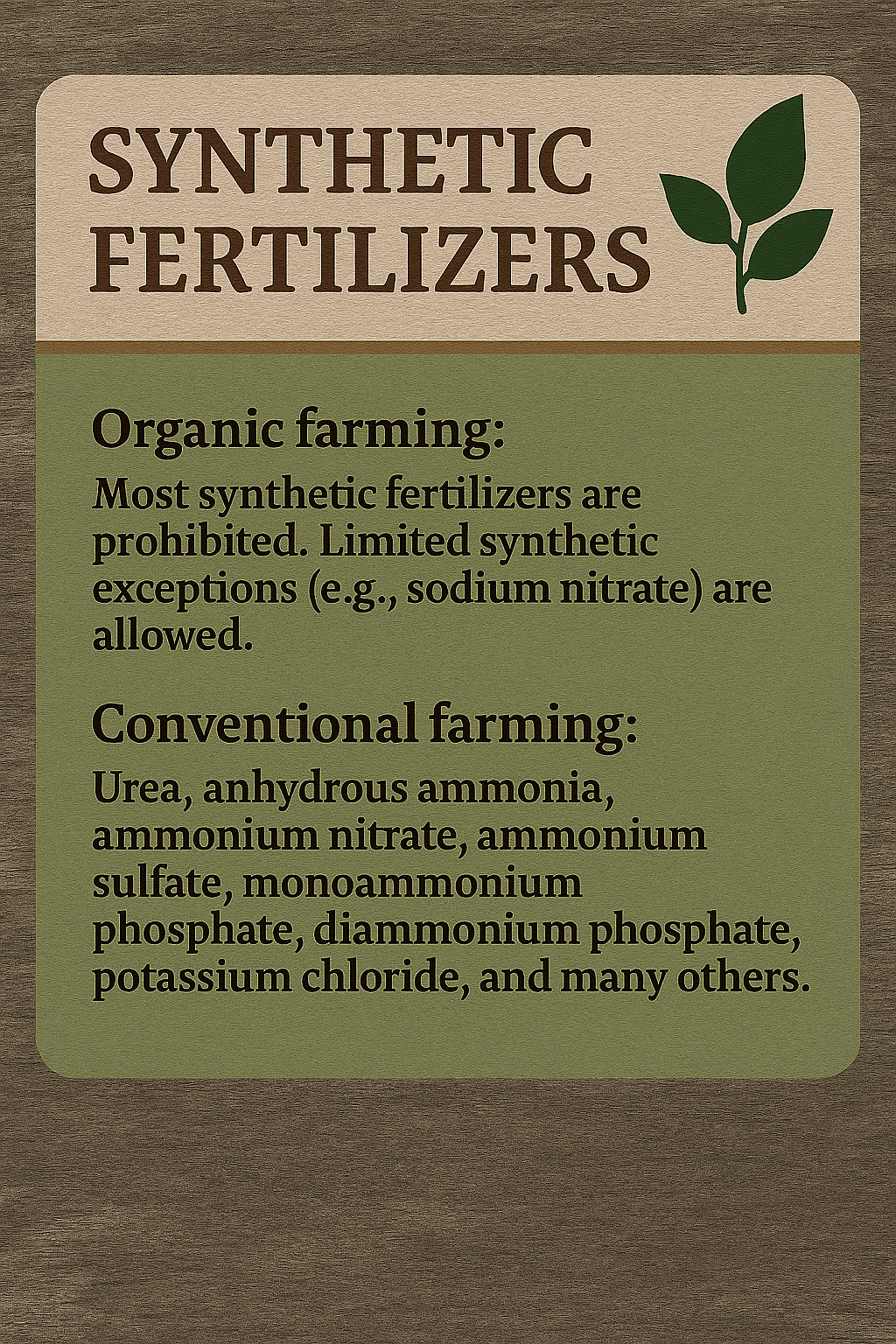
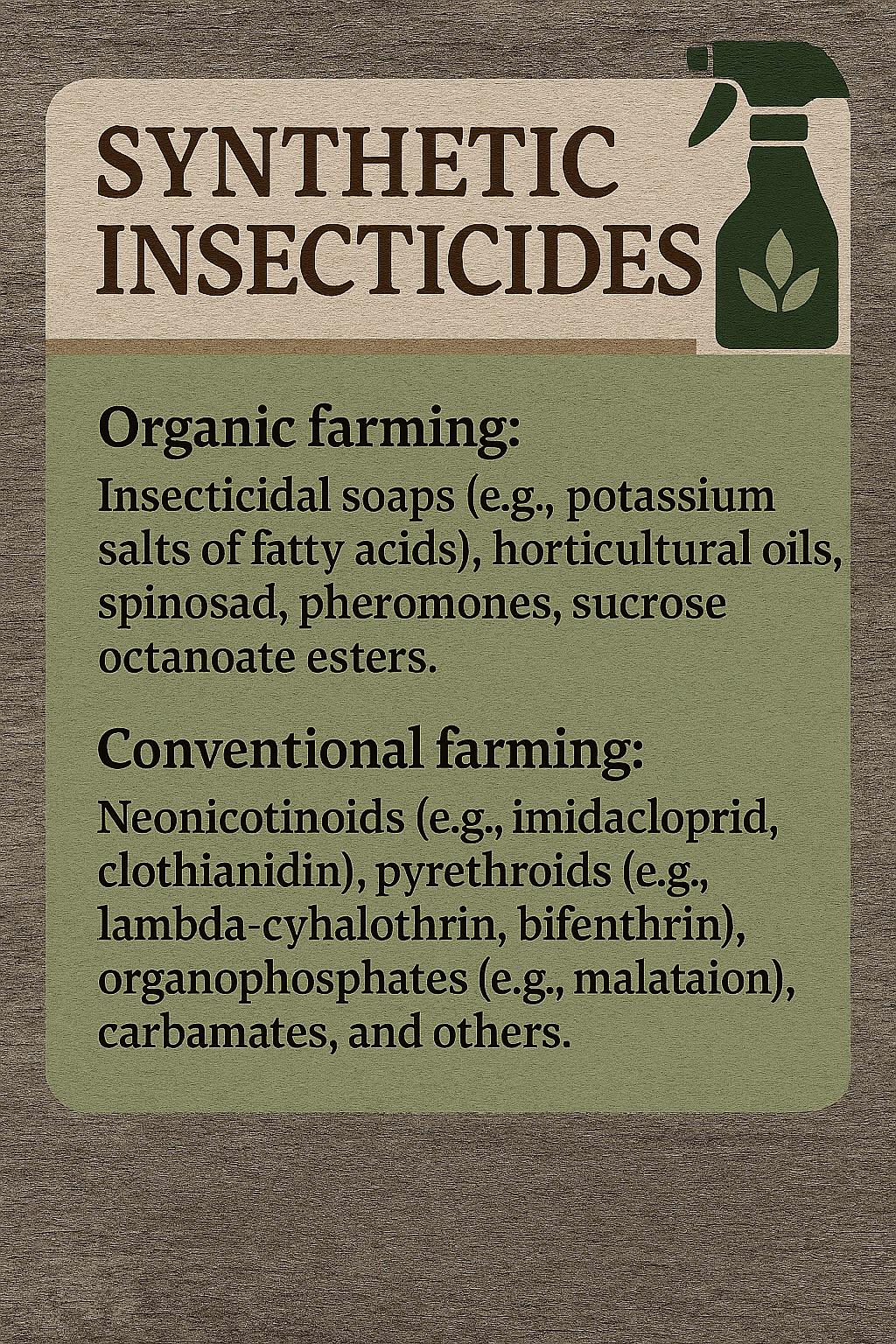
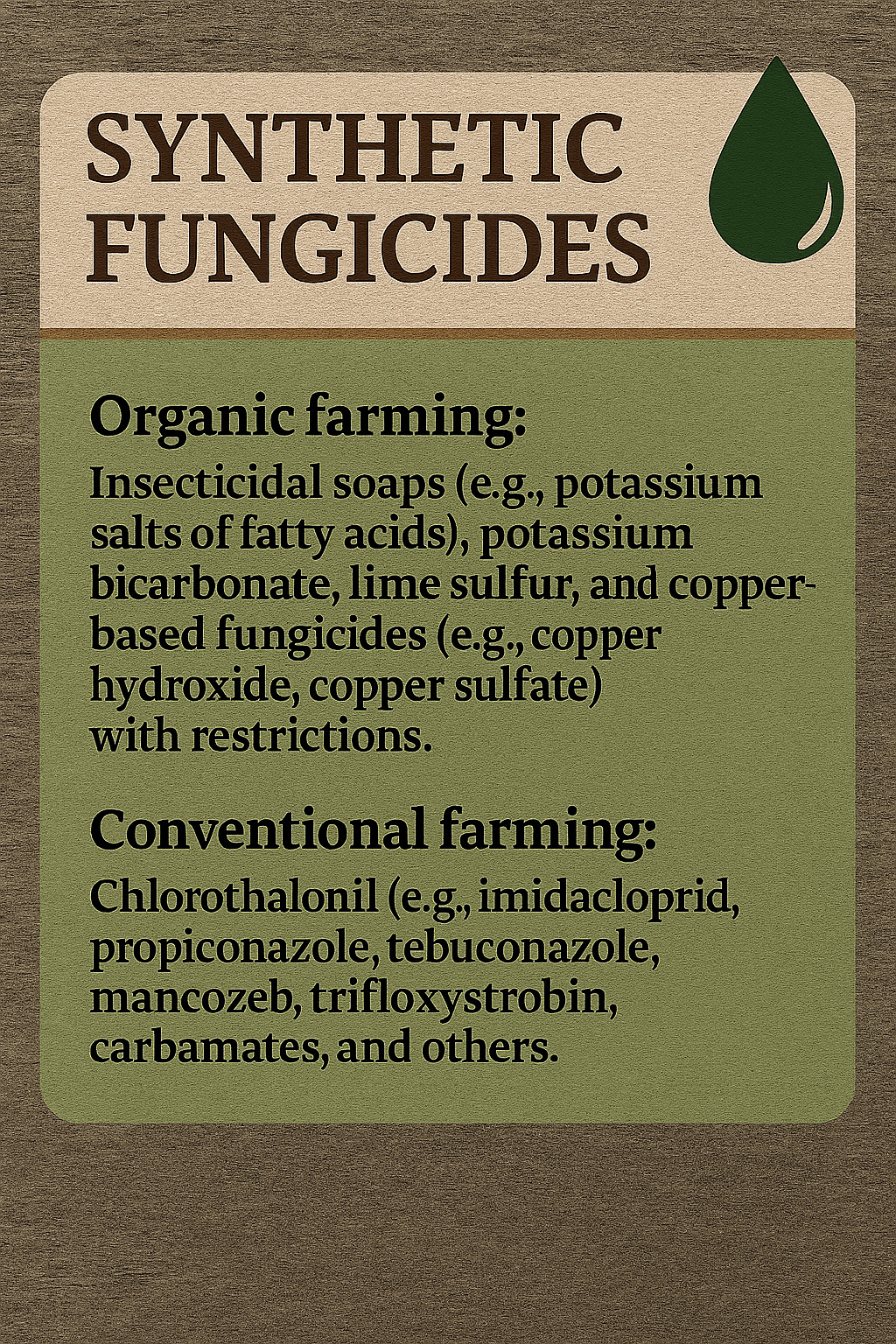
Our Policy on Synthetic Chemicals
Early Morning Harvest does not use glyphosate or synthetic chemicals that are not allowed by the USDA— not before planting, not during the growing season, and not as a pre-harvest desiccant.
Glyphosate is the active ingredient in many conventional herbicides (commonly known under brand names like Roundup).
It is sometimes used in conventional systems for weed control or crop dry-down before harvest.
It is prohibited under organic certification standards.
Resources
National List of Allowed and Prohibited Substances: https://www.ecfr.gov/current/title-7/subtitle-B/chapter-I/subchapter-M/part-205/subpart-G/subject-group-ECFR0ebc5d139b750cd
Science Insights: https://scienceinsights.org/conventional-vs-organic-farming-a-balanced-comparison/?utm_source=copilot.com
The Rodale Institute: https://rodaleinstitute.org/why-organic/organic-basics/organic-vs-conventional/?utm_source=copilot.com
Biology Insights: https://biologyinsights.com/conventional-vs-organic-farming-a-comparison/?utm_source=copilot.com
National Organic Standards Board: https://ota.com/NOSB
IDALS (Iowa Department of Agriculture and Land Stewardship): https://iowaagriculture.gov/
United States Department of Agriculture: https://www.ams.usda.gov/rules-regulations/organic